Behind the Scenes: What Happens During a Home Inspection in Austin
What Happens in a Home Inspection. Is it Always Needed?
Buying a home is one of the largest investments you’ll ever make, and no matter how perfect a property looks on the surface, unseen issues can hide beneath the paint and polish. That’s why the home inspection is one of the most important steps in the buying process — giving you the transparency and confidence to make an informed decision before closing.
For buyers across Central Texas, especially in a fast-moving market like Austin, understanding what happens during a home inspection and how to interpret the results can help you avoid costly surprises later.
1. The Purpose of a Home Inspection
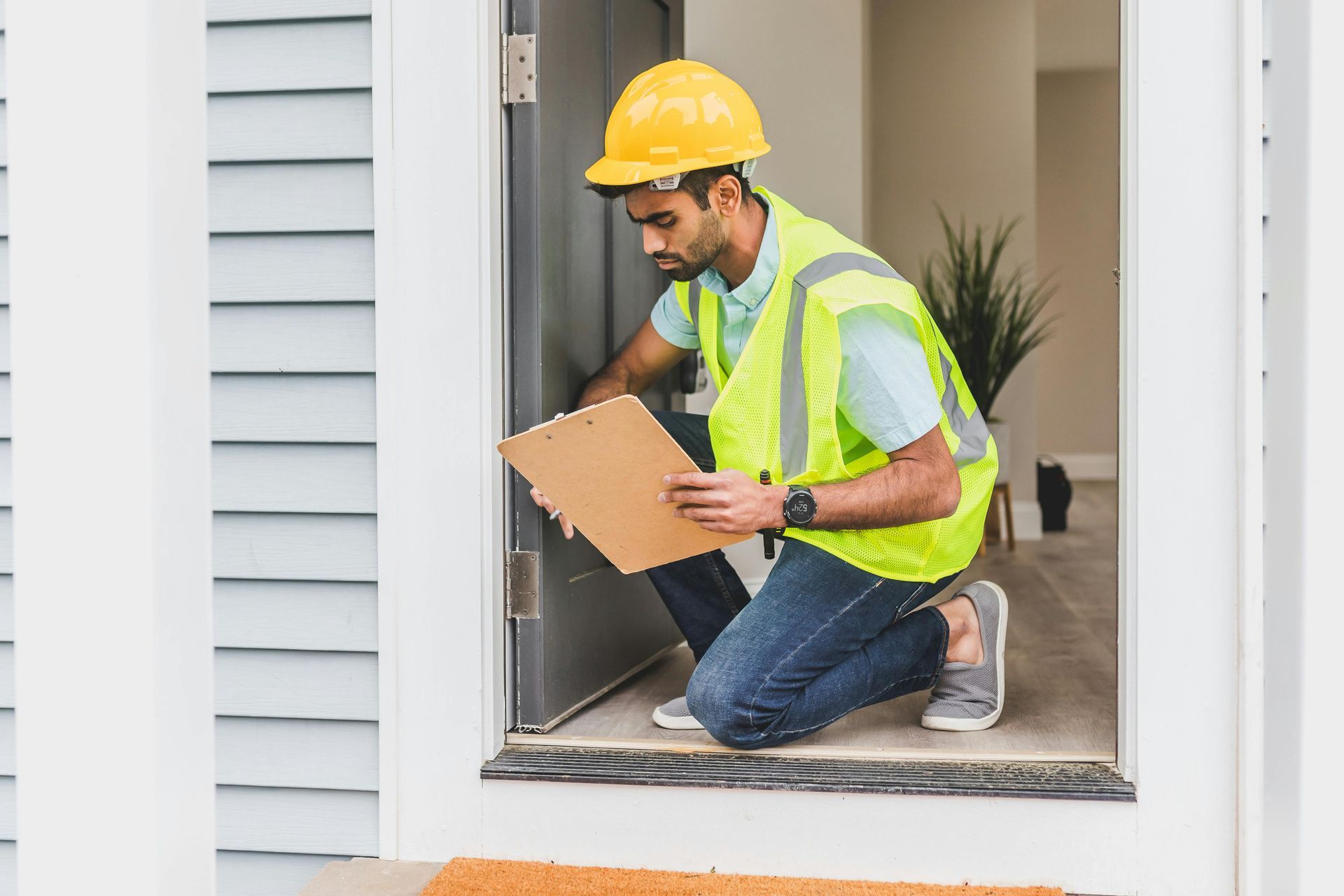
A home inspection is a non-invasive, professional evaluation of a property’s condition. Conducted by a licensed inspector, it’s designed to identify safety concerns, functional issues, and needed repairs — not to “pass” or “fail” a home.
In Austin TX, inspectors follow Texas Real Estate Commission (TREC) standards of practice, which require examination of:
- Structural components (foundation, framing, roof, attic)
- Electrical, plumbing, and HVAC systems
- Built-in appliances and water heaters
- Interior and exterior features (windows, doors, grading, drainage)
A typical inspection takes 2–4 hours, and buyers are encouraged to attend. It’s an opportunity to ask questions, see the home through an expert’s eyes, and gain insight into what ownership will really entail.
2. What Actually Happens During the Inspection
Exterior & Foundation
The inspector begins outside, walking the perimeter to evaluate drainage patterns, visible foundation cracks, rooflines, siding, gutters, and grading. In Central Texas, soil movement and slab foundations are common, so identifying settlement indicators early is critical.
Roof & Attic
Next, they’ll inspect the roof covering, flashing, ventilation, and attic framing. Even a few missing shingles or poor attic insulation can impact energy efficiency — a key concern given Austin’s long summers.
Interior Systems
Inside, inspectors test electrical panels, outlets, switches, smoke detectors, plumbing fixtures, and HVAC systems for proper function and safety. They’ll also note cosmetic wear, window operation, and moisture signs.
Appliances & Safety Items
Built-in appliances (stovetops, ovens, dishwashers) are run briefly to ensure function. Safety issues — like double-tapped breakers, GFCI protection, or loose stair rails — are flagged immediately.
The Report
Within 24–48 hours, you’ll receive a detailed digital report with photos, severity ratings, and recommended repairs. This document becomes your roadmap for negotiations or future maintenance.
3. How Buyers Can Use the Inspection to Their Advantage
In Austin’s 2025 market, fewer bidding wars mean you can review inspection results carefully rather than feeling pressured to rush past them. Use the findings to:
- Request seller repairs or credits for major issues.
- Budget realistically for post-closing improvements.
- Confirm that utilities, safety systems, and warranties are in good order.
Your Realtor can guide you in determining which items are negotiable and which are routine homeowner maintenance.
4. Why You Should Always Inspect New Construction
It’s easy to assume a brand-new home doesn’t need an inspection — but even new builds can have mistakes. With Austin’s rapid pace of development and multiple subcontractors on each project, oversight errors happen.
Common new-construction findings include:
- Unsealed roof penetrations or flashing gaps
- Incorrect grading that causes drainage toward the foundation
- Loose or incomplete electrical connections
- HVAC ducts not properly insulated or balanced
- Minor framing defects hidden behind drywall
A third-party home inspection ensures your builder’s work meets code and quality standards before final payment. Many buyers also schedule phase inspections (foundation, pre-drywall, and final) to catch issues early — when fixes are cheaper and less disruptive.
Even the most reputable builders can overlook small details that become major headaches later. That’s why I encourage clients to always inspect new construction, just as they would a resale home.
5. Why Inspections Matter Even After You Buy
For long-term homeowners, periodic maintenance inspections can identify aging systems or small leaks before they escalate. In Austin’s climate, seasonal checks help extend roof and HVAC life while protecting against humidity and foundation movement.
If you’re planning to sell in the next year or two, a pre-listing inspection can also give you leverage. By addressing issues before going to market, you present a clean report that reassures buyers and shortens negotiations.
6. What You Should Expect to Pay
Home inspection costs vary by property size, age, and add-ons (pool, septic, irrigation). In 2025, most Austin inspections range $400–$650, with optional tests such as:
- Foundation elevation survey (~$150)
- Termite/WDI inspection (~$75–$100)
- Infrared moisture scan (~$150)
Considering the price of a home and the potential cost of missed issues, this is one of the most worthwhile investments you can make before closing.
7. Interpreting the Report Without Panic
Every inspection report looks long — even new homes often have 30–50 minor notes. Focus on:
- Safety hazards: Electrical, structural, or gas issues.
- Major mechanical defects: HVAC, roof, plumbing, foundation.
- Deferred maintenance: Leaks, wood rot, outdated wiring.
Your Realtor and inspector can help prioritize what truly matters versus what’s typical wear. The goal isn’t perfection; it’s awareness.
8. How Interest Rates and Inventory Make Inspections More Valuable Now
In 2025, with rates hovering around the mid-6 percent range and more homes available, buyers have time to do due diligence properly. During the 2021–2022 boom, many waived inspections to win offers.
Today, you can move strategically — inspecting every property, comparing costs, and negotiating based on facts rather than urgency. This balanced market is your chance to buy with confidence and clarity.
9. Choosing the Right Inspector
In Texas, inspectors are licensed through TREC and must carry liability insurance. When hiring:
- Check license status at talc.trx.texas.gov.
- Ask about experience with local building types (pier-and-beam, slab-on-grade).
- Request a sample report before scheduling.
- Verify they’re familiar with Austin-area challenges like expansive clay soil, heat stress on roofs, and energy-efficiency standards.
A good inspector educates as they evaluate — explaining causes, not just symptoms.
10. Final Thoughts: Information is Your Best Protection
Home inspections aren’t about finding fault; they’re about empowerment. Whether you’re buying a century-old bungalow in East Austin or a brand-new build in Manor, that few-hundred-dollar investment gives you priceless peace of mind.
And remember: even if a property is marketed as “new,” it’s still new to you — and every buyer deserves to know exactly what they’re walking into.